2025 Top Food By Products Trends You Need to Know
As we move toward 2025, the food industry is undergoing significant transformations driven by evolving consumer preferences, environmental sustainability, and technological advancements. One of the most notable trends on the horizon is the increasing utilization of food by-products, which refers to the secondary products derived from the processing of food that are often overlooked. According to a recent report by the Food Waste Reduction Alliance, approximately 30-40% of the food supply is wasted in the U.S. alone. However, the surge in awareness surrounding sustainability has led to innovative approaches in repurposing these by-products, creating valuable ingredients that contribute to a circular economy.
The global food by-products market is expected to reach USD 70 billion by 2025, reflecting a compound annual growth rate (CAGR) of 5.6% from 2020, as reported by Market Research Future. This growth is fueled by the increasing demand for natural ingredients, the health-conscious movement, and the rise of plant-based diets, all of which spotlight the potential of food by-products to enhance nutritional profiles while reducing waste. Industries are now exploring avenues such as transforming fruit and vegetable scraps into snacks, using spent grains for baking, and harnessing fish by-products in animal feed, paving the way for innovative culinary applications that not only enhance flavor and nutrition but also minimize environmental impact.
As we delve into the top food by-products trends for 2025, it is essential to recognize how these trends reflect a collective commitment to sustainability, nutritional enhancement, and culinary creativity. Embracing food by-products not only represents a viable solution to waste reduction but also opens new avenues for innovation that align with modern consumer values.
Emerging Food By-Products Trends: An Overview of 2025
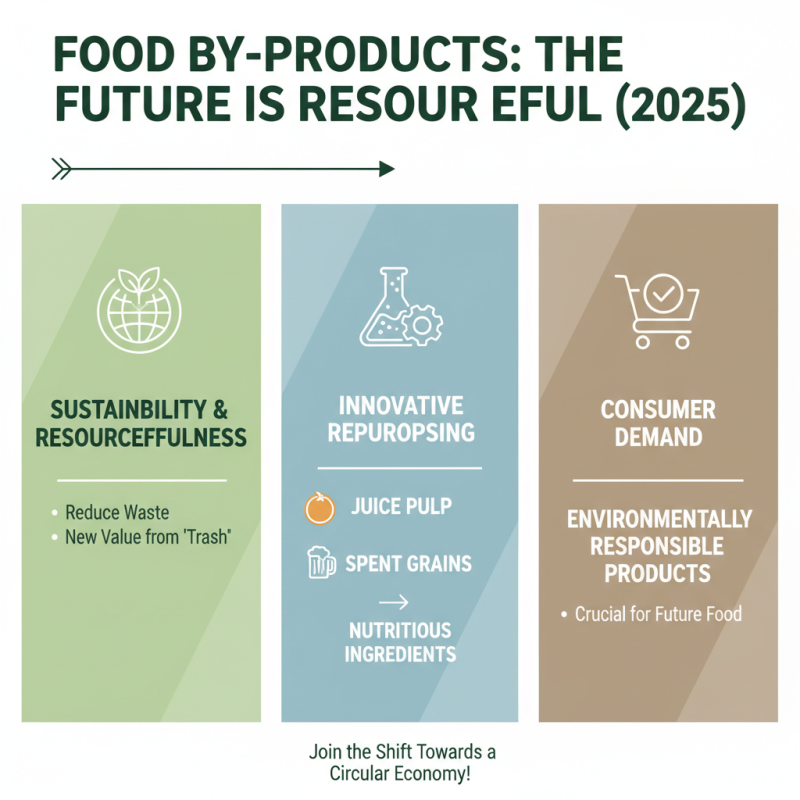
As we look ahead to 2025, the food industry is poised to witness a significant shift towards innovative food by-products. This emerging trend emphasizes sustainability and resourcefulness, driving the utilization of by-products that were previously discarded. Food by-products, such as pulp from juice manufacturing or spent grains from brewing, are being repurposed into nutritious ingredients for various food applications, from snacks to beverages. The focus on reducing waste aligns with the growing consumer demand for environmentally responsible products, making this a crucial aspect of the future food landscape.
Tips for embracing these trends include exploring local sourcing of by-products to support area farms and businesses, which can enhance the sustainability narrative of your food offerings. Additionally, consider incorporating educational elements in your marketing strategy, highlighting the benefits of using by-products—such as reduced waste and unique flavors. By doing so, you can engage consumers and demonstrate your commitment to both innovation and sustainability in the food sector, ensuring you stay ahead of the competition as these trends evolve.
As the food industry adopts these emerging by-product trends, there is also an opportunity to create unique, cross-category products. For instance, utilizing by-products to enhance the nutritional profile of snacks or breakfast items can cater to the health-conscious consumer base. Staying informed about these developments will allow businesses to adapt and thrive in a market increasingly driven by sustainability and creativity.
Sustainable Practices in Food By-Products Management
The management of food by-products has gained significant traction as sustainability becomes a central focus in the food industry. According to the Food Waste Reduction Toolkit by the USDA, approximately 30-40% of the food supply in the United States is wasted, leading to severe environmental impacts. Effective food by-product management can not only reduce waste but also create value from what is typically discarded. By adopting sustainable practices, such as composting and converting by-products into animal feed or bioenergy, the industry can significantly lower greenhouse gas emissions while providing additional revenue streams.
Recent studies, such as those published by the Food and Agriculture Organization (FAO), highlight that implementing circular economy principles in food production could reduce carbon footprints by up to 50%. Innovative strategies, including upcycling foods and utilizing technology for better tracking and distribution, can enhance efficiency within supply chains. As the push for sustainable practices strengthens, businesses that prioritize food by-products management are likely to thrive, meeting both consumer demands for ethical products and regulatory requirements aiming to minimize waste.
This sustainable shift not only addresses the urgent need for waste reduction but also promotes a more resilient food system that benefits both the economy and the environment.
Innovative Uses of Food By-Products in Culinary Arts
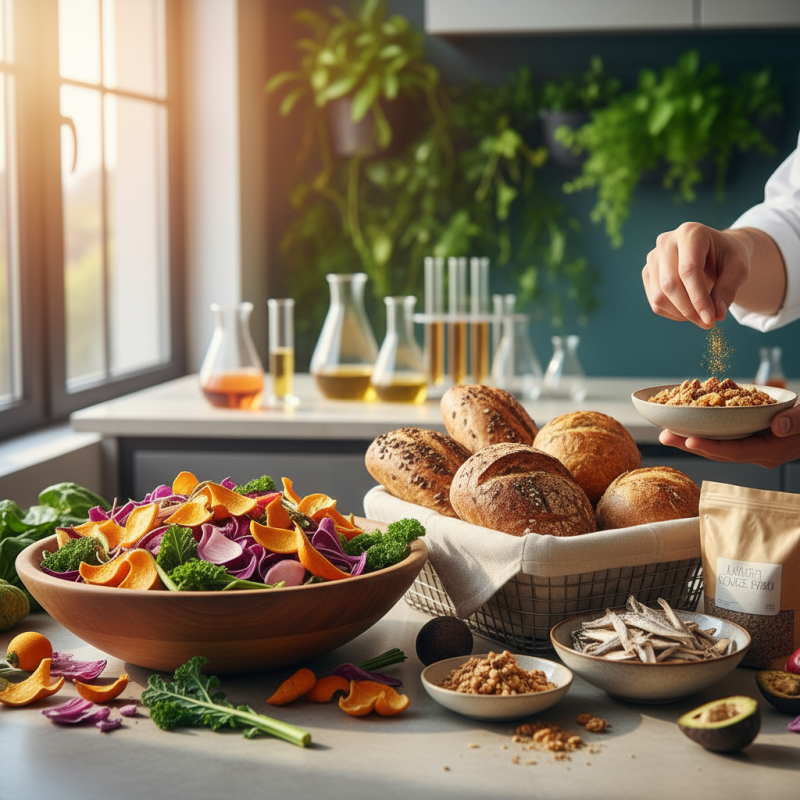
The culinary arts are increasingly embracing innovative uses of food by-products, transforming what was once considered waste into valuable ingredients. As chefs and food enthusiasts seek to minimize waste and promote sustainability, diverse food by-products—such as vegetable peels, citrus rinds, and leftover grains—are finding new life in kitchens worldwide. These items not only contribute unique flavors and textures but also enrich dishes nutritionally, allowing for a more holistic approach to food preparation.
One exciting trend is the creation of sauces and seasonings from food scraps. For instance, leftover vegetable trimmings can be simmered to produce flavorful stocks, while fruit scraps can be turned into zesty chutneys. Additionally, ancient grains, often found in residual amounts after processing, are being reimagined in salads, baked goods, and even as components of plant-based proteins. By harnessing these underutilized ingredients, chefs are not only crafting innovative dishes but also telling a story of resourcefulness and creativity that resonates with environmentally conscious diners.
2025 Top Food By Products Trends You Need to Know - Innovative Uses of Food By-Products in Culinary Arts
| Trend |
Food By-Product |
Innovative Use |
Potential Benefits |
| Upcycling |
Vegetable scraps |
Homemade vegetable broth |
Reduces waste and enhances flavor |
| Sustainable Baking |
Spent grain from brewing |
Craft beer bread |
Adds nutrition and reduces waste |
| Fruit Peels |
Citrus peels |
Flavored oils and zests |
Enhances dishes with aroma and taste |
| Fermentation |
Leftover pulp from juicing |
Probiotic-rich ferments |
Improves gut health and reduces waste |
| Nut Milk Residue |
Almond pulp |
Energy bars and cookies |
High in protein; minimizes waste |
Health Benefits of Incorporating Food By-Products into Diets
In recent years, the food industry has seen a significant shift toward the utilization of food by-products, driven by both economic necessity and health consciousness. Food by-products, such as fruit peels, vegetable scraps, and grain husks, are often discarded but are emerging as valuable components of a sustainable diet. According to a report by the Food and Agriculture Organization (FAO), around one-third of food produced for human consumption is lost or wasted, leading to a growing movement advocating for the repurposing of these by-products to minimize waste and enhance nutritional value.
Incorporating food by-products into our diets offers numerous health benefits. Many of these by-products are rich in essential nutrients, antioxidants, and dietary fibers. For instance, fruit peels, often discarded, contain higher levels of vitamins and minerals compared to the flesh. A study published in the Journal of Food Science revealed that utilizing cabbage leaves, typically considered waste, can significantly increase dietary fiber intake, which is essential for digestive health.
Furthermore, the consumption of food by-products contributes to a more balanced diet while supporting sustainable agricultural practices, potentially leading to a decrease in environmental impact.
The trend of integrating food by-products into everyday diets is not only a win for health but also for sustainability. As consumers become more aware of these benefits, it is likely that the demand for innovative recipes and educational resources will rise, encouraging more people to embrace these nutritious alternatives. With ongoing research highlighting the advantages of food by-products, the food industry may well see a future where waste is minimized, and health is prioritized.
Market Opportunities and Economic Impact of Food By-Products
The food industry is continuously evolving, and one of the most significant trends emerging for 2025 is the utilization of food by-products. These are the materials left over from food production processes that, rather than being discarded, can be transformed into valuable commodities. By capitalizing on these by-products, companies can enhance their sustainability efforts, reduce waste, and unlock new revenue streams. This creates substantial market opportunities across various sectors, from agriculture to biotech.
With growing consumer demand for sustainable practices, businesses are recognizing the economic impact of incorporating food by-products into their operations. For instance, fruit peels can be converted into natural flavorings, while grain husks can be processed into packaging materials. This shift not only benefits the environment but also supports a circular economy, where resources are utilized to their fullest potential.
Tip: Companies looking to tap into this trend should invest in research and development to explore innovative uses for their by-products. Additionally, collaborating with other industries can yield creative solutions that further reduce waste and improve profitability.
Tip: Educating consumers about the benefits of food by-products can also foster a positive brand image and build loyalty among eco-conscious customers. Through transparency and effective marketing strategies, businesses can drive engagement and encourage sustainable choices in their target market.