How to Choose the Right Food Machine for Your Business?
Choosing the right food machine can shape your production speed, product consistency, and daily operating costs. A reliable machine should fit your recipes, workspace, staff skills, and expected output. It should not simply look powerful in a sales brochure.
A bakery producing 500 loaves daily needs different equipment from a small café preparing fresh sandwiches. Consider capacity, heating or cooling performance, cleaning access, noise, energy use, and replacement parts. Measure doorways and work surfaces before ordering. A machine that cannot pass through the kitchen entrance is an expensive mistake. It happens more often than many owners admit.
This guide explains how to compare a food machine through practical business requirements. It considers safety features, supplier support, warranty terms, training, and long-term maintenance. Experienced operators often test a machine with real ingredients, not empty trays. That small trial can reveal uneven mixing, slow recovery temperatures, or awkward controls. Ask for documented specifications and verified certifications relevant to your region. Professional advice also matters when electrical loads, ventilation, or sanitation procedures affect installation.
Do not choose based on price alone. Cheap equipment may create higher labor costs and more downtime. However, the most advanced model may exceed your needs. That judgment requires honest forecasting. Review your current orders, seasonal demand, available floor space, and future plans. The best choice is practical, serviceable, and safe. It should support your business without forcing your team to work around the machine.
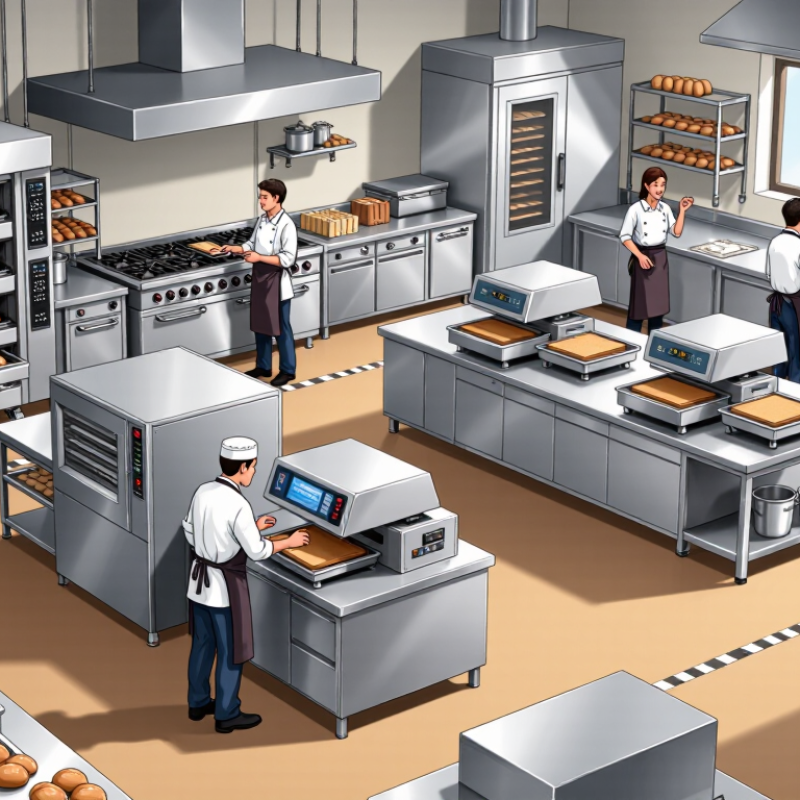
Define Your Business Needs and Food Production Goals
Before choosing a food machine, define what your business must produce each day. A small bakery may need consistent dough mixing, while a prepared-meal kitchen may require portioning and sealing equipment. Write down product types, batch sizes, production hours, available floor space, and staff experience. These details prevent an expensive machine from becoming an unused metal cabinet.
I have seen operators focus on speed and overlook cleaning time. That mistake can disrupt an entire shift. Estimate your real output, not your best day. Consider ingredient texture, container sizes, temperature controls, and acceptable product variation. A reliable machine should match your process, safety procedures, maintenance skills, and future growth. It should also support clear operating records and repeatable results. Still, forecasts can be wrong.
Tips: Test the machine with your actual ingredients whenever possible. Measure changeover time, noise, cleaning effort, and operator comfort. Ask for technical documents, training details, spare-part availability, and service response times. A short trial may reveal problems that sales specifications cannot show. Leave room for manual work, too. Not every task benefits from automation.
How to Choose the Right Food Machine for Your Business?
Define your business needs and food production goals before selecting equipment. The chart below matches daily production targets with commonly suitable machine categories.
Use your expected daily output as the first planning metric. Smaller operations may prioritize flexible batch equipment, while higher-volume production generally requires continuous processing and automated packaging systems. Actual capacity depends on product type, recipe, operating hours, changeover time, and labor.
Assess Machine Types, Functions, and Processing Capacity
Choosing a food machine starts with the product, not the machine catalogue. A liquid sauce may need gentle pumping, heating, and controlled filling. A frozen product may require insulation, low-temperature seals, and corrosion-resistant surfaces. Match each function to the food’s texture, temperature, moisture, and cleaning routine.
Processing capacity needs more than a kilograms-per-hour figure. Measure actual output during changeovers, sanitation, and material refilling. A machine rated at 1,000 kilograms per hour may deliver less on a mixed product line. Calculate hourly demand, batch size, operating shifts, and expected seasonal peaks.
The Food and Agriculture Organization reported that 13.2% of food was lost between harvest and retail in 2021.
Better portion control and reliable processing can reduce avoidable losses, but only when operators can maintain consistent settings.
Test the machine with your own ingredients. Flour dust, sticky syrups, fibrous vegetables, and uneven particles expose weaknesses quickly. Check how easily workers reach belts, seals, sensors, and product-contact areas.
The United Nations Environment Programme estimated 1.05 billion tonnes of food waste in 2022, including waste at retail, food service, and household levels.
Capacity alone is not enough. A faster machine may create more rejects if weighing accuracy or temperature control is poor. I would also question optimistic supplier estimates; real production is rarely perfect. Leave room for downtime, training, maintenance, and one unexpected problem.
Compare Materials, Safety Features, and Compliance Standards
Choosing the right food machine starts with its materials, not its appearance. Stainless steel is widely valued for durability, corrosion resistance, and easy cleaning. However, the grade and finish matter. Rough welds, exposed threads, or deep corners can trap food residue and moisture. That creates sanitation problems during busy production hours. Food-grade polymers may reduce weight and noise, but they must resist heat, oils, and repeated washing. Check every gasket and seal. Small parts often fail first.
Safety features should match the machine’s real working conditions. Guarding can prevent contact with moving blades, belts, or heated surfaces. Emergency stops must be easy to reach, clearly marked, and tested regularly. Temperature controls, overload protection, and automatic shutoff systems add practical protection. Operators also need clear instructions and safe cleaning procedures. A machine can be technically safe but still confusing to use. That weakness deserves attention.
Compliance is more than a certificate in a sales file. Request material declarations, test records, maintenance instructions, and traceability documents before purchasing. Confirm that the equipment fits the food-contact and workplace safety requirements in your region. Standards differ between markets, and assumptions can become expensive. Ask an independent inspector or qualified compliance adviser to review uncertain points. One detail is easy to miss: replacement parts must meet the same hygiene expectations as the original components. Lowest price is tempting, but poor access for cleaning may cost more every week.
Evaluate Energy Use, Maintenance, and Total Ownership Costs
Choosing a food machine starts with energy use, not the purchase price. The U.S. Environmental Protection Agency reports that restaurants use five to seven times more energy per square foot than other commercial buildings. A high-output fryer, oven, or refrigeration unit can quietly increase monthly costs. Compare rated kilowatts, expected operating hours, standby consumption, and local electricity rates. Measure twice.
Maintenance deserves equal attention. Ask how often filters, seals, sensors, and heating elements require service. Record the replacement price and the technician’s travel time. The U.S. Department of Energy’s Federal Energy Management Program recommends life-cycle cost analysis because purchase price alone can misrepresent long-term value. A cheaper machine may need more frequent cleaning, longer repairs, or costly spare parts. Small delays matter. During a busy lunch shift, one failed unit can disrupt labor, orders, and customer trust.
Build a five-year ownership worksheet before signing anything. Include energy, water, consumables, planned servicing, emergency repairs, disposal, and downtime. Then compare that figure with realistic production capacity. U.S. DOE efficiency guidance supports evaluating equipment through operating performance, not labels alone. Still, the calculation will never be perfect. Usage changes with seasons, staff habits, and menu design. Leave room for uncertainty, and test comparable machines under the same workload. A quiet unit with easy access panels may save more than a slightly cheaper model that requires specialist service. Examine the service manual before the sales brochure.
Select, Test, and Integrate the Best Food Machine for Your Operation
Choosing a food machine starts with your actual workflow, not a glossy specification sheet.
Measure hourly output, product size, available floor space, and cleaning time. A machine that handles 500 units per hour may still fail during a busy shift if loading takes too long.
Speak with operators before selecting a model. They know where ingredients spill, sensors misread, and bottlenecks appear. I once chose equipment based on capacity alone. That assumption was wrong. The machine produced quickly but required awkward manual adjustments. Test samples using your real ingredients, recipes, and packaging. Check consistency, temperature control, noise, and changeover time. Keep written results. Small differences become expensive at scale.
Integration needs the same practical attention.
Confirm electrical requirements, ventilation, drainage, safety guarding, and communication with existing equipment. Ask qualified technicians to review the layout before delivery. Train staff through normal and unusual operating conditions, including cleaning and restart procedures. Maintenance access matters. If a technician cannot reach a filter without removing three panels, downtime will grow. It happens. Schedule inspections, record faults, and monitor output during the first weeks. Review the process honestly, because the best machine on paper may need adjustments in your workplace.