How to Choose the Best Pressure Washer?
Choosing the Best Pressure Washer is less about chasing the highest pressure number. It is about matching performance to the surfaces, water supply, and tasks around your property. A compact electric model may clean patio furniture, bicycles, and painted siding safely. A stronger gas-powered unit may handle stained concrete, large driveways, or frequent outdoor work. More power is not always better.
In this guide, we examine pressure, flow rate, motor type, nozzle design, hose length, noise, maintenance, and real operating costs. These details matter when water hits a wooden deck at close range. I have found that a comfortable handle and quick-connect fittings can save more time than impressive packaging claims. Small details count.
Reliable advice should also respect manufacturer instructions and surface limits. Concrete may tolerate a wider spray, while softwood, old mortar, and vehicle paint need gentler treatment. Test an unseen area before cleaning the entire surface. That simple step prevents expensive mistakes. Still, no buying guide can predict every user’s water pressure, storage space, or cleaning habits. My own preferences may not suit yours, and that deserves honest consideration. The ideal choice depends on practical evidence, not a single headline specification. This guide will help you compare models clearly, avoid common buying errors, and select equipment that works safely and consistently. Expect useful trade-offs, not miracle promises.
Understanding Pressure Washer Types and Their Core Differences
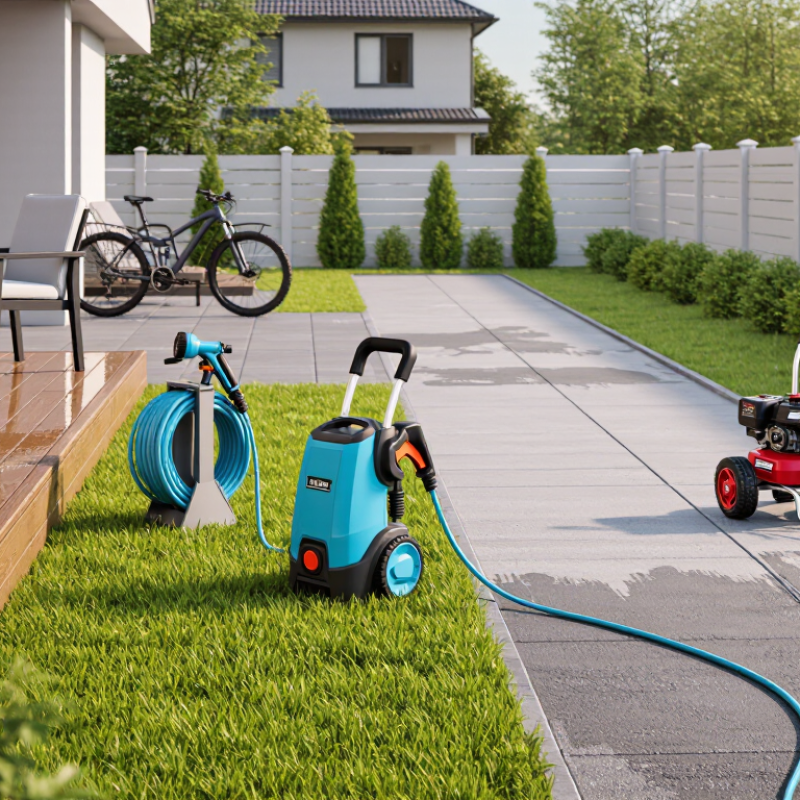
Choosing the best pressure washer starts with understanding its type, not chasing the highest PSI. Electric models suit balconies, vehicles, patios, and occasional cleaning. They are quieter, lighter, and easier to maintain. Gas-powered models deliver stronger output for large driveways, farm equipment, and repeated outdoor work. They are louder and require fuel, ventilation, and more maintenance.
Cold-water machines handle most household dirt, including mud, dust, and algae. Hot-water models remove grease faster because heat loosens oily deposits. Their extra weight and energy demand may be unnecessary for simple cleaning. Pressure also needs context. PSI measures force, while GPM measures water flow. A machine with 2,000 PSI and 2 GPM produces a different result from one with 2,000 PSI and 3 GPM. The Cleaning Equipment Trade Association explains that both measurements influence cleaning performance. The U.S. Environmental Protection Agency reports that pressure washers can use about 2 gallons of water per minute, compared with roughly 10 gallons from a typical garden hose.
Tips: Match the machine to the surface. Start with a wide spray, lower pressure, and greater distance. Test a hidden area first. This prevents damaged paint and etched wood. Grand View Research’s 2024 industry analysis identifies electric units as a major market segment, reflecting demand for convenient residential equipment. Still, convenience can mislead. A compact electric washer may struggle with thick concrete stains. A powerful gas unit may be wasteful for washing a bicycle. The best choice depends on task size, surface sensitivity, water access, and how often you will use it.
Assessing Cleaning Needs, Surfaces, and Required Pressure Levels
Choosing a pressure washer starts with the cleaning task, not the machine. Walk around the area and identify the dirt, surface, and available water supply. Concrete and unpainted brick usually tolerate stronger pressure than wood, vinyl, or painted metal. Soft surfaces can show permanent marks after one careless pass.
Pressure level matters, but it is only one part of cleaning power. A medium setting may handle dust and loose mud, while heavy oil stains often need detergent and slower movement. Water flow also affects performance, especially across large driveways. Keep the nozzle several inches away and test a hidden patch first. I have seen fresh wood fibers lift within seconds. That mistake is easy to make.
Use a wider spray pattern on delicate surfaces. Narrow patterns create more concentrated force. For household cleaning, moderate pressure is often safer than maximum pressure. The exact setting depends on the nozzle, distance, and surface condition. Read the equipment instructions, and avoid assuming a higher number means better results.
Move the wand evenly. Pause often and inspect the surface. If dirt remains, increase pressure gradually instead of holding the spray in one place. I once underestimated old grime on concrete and rushed the job; extra dwell time helped more than excessive force. This approach may feel slower, but it reduces surface damage and uneven cleaning.
Choosing the Right Power Source, Flow Rate, and Key Features
Choosing a pressure washer starts with its power source. Electric models suit patios, cars, and small decks. They are quieter, lighter, and easier to maintain. Gas models provide greater mobility and stronger output for large driveways or farm equipment. Grand View Research’s 2024 pressure washer market report identifies electric models as a rapidly expanding segment, partly because homeowners want simpler operation and lower maintenance.
Do not judge performance by PSI alone. Flow rate, measured in gallons per minute, controls how quickly dirt leaves a surface. Consumer Reports’ pressure-washer testing evaluates cleaning performance through both PSI and GPM. A practical residential range is about 1,500–2,500 PSI and 1.2–2.5 GPM. Higher numbers are not always better. Too much force can damage softwood, vehicle paint, or old mortar. I once selected pressure before checking flow rate. The machine felt powerful, but cleaning still took too long. That choice needed more thought.
Tips: Match the nozzle to the surface. Use a wide-angle nozzle for painted walls and delicate materials. Keep the spray several inches away. Check hose length, automatic shutoff, detergent control, and available replacement parts. The Pressure Washer Manufacturers’ Association also emphasizes following operating instructions and using proper protective equipment. Test an unseen area first. Small errors become expensive quickly.
Comparing Safety Standards, Portability, Durability, and Maintenance
How to Choose the Best Pressure Washer?
Comparing Safety Standards, Portability, Durability, and Maintenance
Safety should guide the purchase, not just cleaning power. Look for recognized electrical safety certification in your region. A residual-current device can reduce shock risks during outdoor use. Check for thermal protection, secure hose connections, and a trigger that stops spraying when released. Keep electrical plugs away from puddles. Small details matter.
Portability depends on more than wheel size. A balanced handle, large wheels, and simple hose storage make movement easier. Measure your storage space before buying. I once underestimated how awkward a tall machine could be in a narrow shed. A lighter unit may be easier to carry, but it might feel less stable during use. That trade-off deserves honest thought.
Durability comes from solid construction and careful treatment. Inspect the pump housing, fittings, frame, and cable before purchase. Metal parts can resist impact, yet they may increase weight and corrosion concerns. Read the operating limits, especially maximum daily use. Maintenance should remain practical: flush the system after use, clean inlet filters, drain standing water, and inspect seals regularly. Follow the manual for lubricant requirements. Never ignore unusual vibration or leaking connections. They often signal a small problem becoming expensive. Some advice sounds obvious. It is still easy to forget.
How to Choose the Best Pressure Washer?
Comparative scores reflect typical characteristics of common pressure-washer categories. Safety depends on features such as GFCI protection, thermal overload protection, trigger controls, and correct operating procedures. Higher scores indicate a more favorable choice for that criterion.
Light-duty electric models are generally easiest to transport and maintain, while heavy-duty gas models typically provide greater durability and output at the cost of portability and maintenance convenience.
Matching Your Budget With Performance and Long-Term Value
How to Choose the Best Pressure Washer?
Matching Your Budget With Performance and Long-Term Value
A pressure washer should match your cleaning routine, not just your budget. For occasional patio work, a compact electric model may provide enough pressure and lower running costs. Check both PSI and GPM, because cleaning speed depends on their combined performance. A machine with high PSI but weak water flow can feel surprisingly slow. Measure your storage space too. A large unit becomes inconvenient when it blocks a narrow garage path.
For regular driveway, deck, or vehicle cleaning, choose durable components and accessible replacement parts. A longer hose, sturdy wheels, and simple nozzle changes can save time every weekend. Look for clear maintenance instructions and a warranty with practical coverage. These details often matter more than impressive figures printed on a box. I once chose a cheaper model with strong pressure but poor hose connections. It worked well for months, then leaked during longer sessions. That mistake changed how I judge value.
Consider electricity, water use, detergent costs, and future repairs before deciding. A slightly more expensive washer may cost less over several years if the pump and fittings last longer. However, expensive does not automatically mean better. Read independent testing, compare operating noise, and inspect user reports for repeated faults. Leave some budget for protective eyewear, surface-safe detergents, and a replacement nozzle. I still sometimes overestimate how much power I need. More pressure can damage soft wood, paint, or mortar when used carelessly. Safety and control deserve equal attention.
How to Choose the Best Pressure Washer? - Matching Your Budget With Performance and Long-Term Value
Typical pressure washer specifications and ownership considerations by product category | Category | Typical Price Range | Typical Pressure | Typical Water Flow | Best Applications | Operating and Maintenance Factors | Long-Term Value |
| Light-Duty Electric | $100–$200 | 1,300–1,800 PSI | 1.2–1.6 GPM | Cars, bicycles, outdoor furniture, windows, and small patios | Low noise and no fuel storage; requires an electrical outlet and suitable extension-cord practices | Very good for occasional household cleaning when portability and low purchase cost matter most |
| Medium-Duty Electric | $200–$400 | 1,800–2,300 PSI | 1.6–2.3 GPM | Driveways, decks, siding, garage floors, vehicles, and regular home maintenance | Lower routine maintenance than gasoline models; performance depends on electrical supply and hose length | Often the best balance of purchase price, cleaning ability, low noise, and simple ownership |
| Heavy-Duty Electric | $400–$800 | 2,300–3,000 PSI | 2.0–3.0 GPM | Large driveways, extensive decks, masonry, and frequent residential cleaning | Requires a suitable power circuit; heavier construction may improve durability but increases weight and cost | Strong value for users who clean frequently and prefer lower emissions and easier starting |
| Entry-Level Gasoline | $250–$500 | 2,400–3,000 PSI | 2.0–2.5 GPM | Large driveways, concrete, fences, decks, and areas without convenient electricity | Needs fuel, oil checks, engine maintenance, ventilation, and winterization; louder than electric models | Good value for outdoor jobs requiring mobility and higher sustained output |
| Professional Gasoline | $700–$2,000+ | 3,000–4,000 PSI | 3.0–4.0 GPM | Commercial cleaning, large concrete areas, equipment, construction, and frequent daily use | Higher fuel use, noise, transport weight, and maintenance; durable pumps and frames can reduce downtime | Best long-term value when utilization is high enough to justify professional-grade durability and productivity |
| Battery-Powered Compact | $150–$500 | 500–1,500 PSI | 0.5–1.5 GPM | Spot cleaning, vehicles, boats, balconies, and locations without mains power | Quiet and highly portable; runtime, charging time, and replacement-battery cost affect total ownership cost | Convenience-focused value for light tasks, but usually less efficient for large surfaces |
Buying guideline: Cleaning performance depends on both pressure and water flow. A useful comparison is Cleaning Units (CU), calculated as PSI × GPM. Choose the lowest category that meets your cleaning needs to avoid unnecessary purchase, operating, and maintenance costs.
