Food production companies turn crops, livestock, and ingredients into the foods people see on store shelves and restaurant menus. The term covers very different operations. A small bakery may mix dough before sunrise, while a large processor fills thousands of sealed cartons each hour. Their scale differs. So do their skills, equipment, and responsibilities.
Food journalist Michael Pollan offers a compact reminder: “Eat food. Not too much. Mostly plants.” His words focus on eating, but they also invite a useful question: how do companies make food that is safe, consistent, and practical to produce? Some companies farm or raise animals. Others process raw ingredients, prepare ready-to-eat meals, make beverages, or package products for other brands. A few handle several stages, from sourcing ingredients to shipping finished goods. Not every company fits neatly into one category. That matters. Looking at the main types of food production companies can clarify where ingredients come from, how products are made, and what each business contributes. It can also expose a limitation: labels such as “manufacturer” often hide very different practices behind a familiar package.
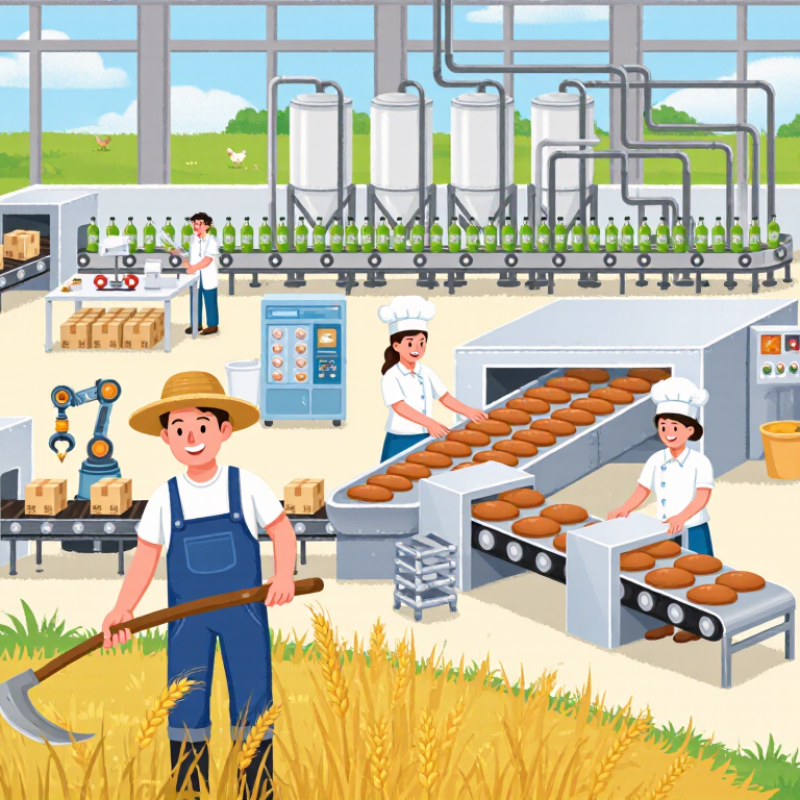
Food production companies turn agricultural ingredients into food products for people and businesses. Their work can begin with receiving grain, milk, vegetables, or meat, then continue through preparation, processing, packaging, and storage. Some companies handle only one stage, such as milling flour or packing frozen vegetables. Others manage several stages under one operation.
The term covers a broad range of businesses. A small bakery producing bread each morning is part of the sector, as is a large facility making canned soup. The production method may involve cutting, cooking, fermenting, freezing, or combining ingredients. Not every producer makes heavily processed food; some simply wash and package fresh produce.
Details matter. A chilled meal facility, for example, must monitor ingredient temperatures and keep work areas clean to reduce contamination risks. Procedures vary by product and location, so a general description cannot replace site-specific controls.
Food production companies also rely on people and systems beyond the production line. Staff may check ingredient records, track batch dates, maintain equipment, and inspect packaging seals. These steps support consistent quality and traceability. Still, a tidy process diagram can make real work look simpler than it is. Ingredients change with seasons, and equipment can fail. The scope of a company’s work is best understood by looking at its products, processes, facilities, and quality controls.

Agricultural producers grow crops such as wheat, vegetables, fruit, and oilseeds. Some manage large fields with machinery, while smaller farms may harvest by hand or supply nearby markets. Their work depends on soil condition, rainfall, storage, and careful timing. A dry week can change a harvest plan quickly. Producers may also clean, grade, or pack crops before selling them to processors and food distributors. These steps affect freshness and reduce losses, but they require reliable equipment and clear records.
Livestock companies raise animals for meat, milk, eggs, or other food products. Their operations can include breeding, feeding, veterinary care, and transport to processing facilities. Good animal care is practical, not just a label: clean water, suitable shelter, balanced feed, and regular health checks matter every day. Conditions vary by species and farm, so one method does not fit all. Producers also monitor feed use and animal health, though records can be incomplete when routines get busy. That deserves attention.
Tips: Ask where ingredients come from and how they are handled after harvest. Look for specific details about animal care, crop storage, and supplier checks. Vague claims are hard to assess. Even a well-run farm can face weather or supply problems, so transparent updates are useful.
Food processing and preservation companies turn raw ingredients into products that can be stored, transported, and prepared more reliably. Their work may include washing vegetables, milling grains, pasteurizing liquids, freezing fruit, or packing cooked meals. Each process must suit the food. A gentle drying method, for example, can preserve herbs without making them brittle.
Preservation teams monitor temperature, moisture, acidity, and processing time. In a chilled facility, staff may check product temperatures at receiving, after processing, and before shipping. Packaging also matters: a sealed pouch can limit exposure to air, while a clear date code helps workers rotate stock. Small details count.
Some companies specialize in one method, such as canning or freeze-drying; others handle several stages. Their technical teams typically test procedures and keep records so results remain consistent across production runs. Still, no process is perfect. A texture may change after freezing, or a package may be harder to open than expected. Careful testing, sanitation routines, and clear handling instructions help reduce these problems and give buyers more dependable food.
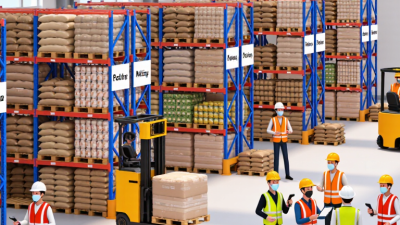
Food manufacturing companies turn agricultural ingredients into products people can store, cook, or eat. Some mill grains, extract oils, or produce ingredients for other manufacturers. Others make finished goods such as bread, dairy products, canned vegetables, frozen meals, and snacks. The U.S. Department of Agriculture’s Economic Research Service reported that food and beverage manufacturing employed about 1.7 million people in 2021. That scale reflects a varied industry, from small production lines to large plants handling thousands of units per hour. A flour mill, for example, must manage dust, moisture, and consistent particle size. A ready-meal plant faces different challenges: chilled ingredients, portion control, and reliable sealing.
Packaged food companies may manufacture their own products, contract production, or focus on packaging and distribution. Packaging is not just decoration. It protects food from moisture, air, and damage, while labels communicate ingredients, storage instructions, and nutrition information. The USDA’s Economic Research Service also tracks food availability and losses across product groups, offering useful context for how food moves from production toward consumers. In practice, a crisp bag can fail if its seal is weak; a sturdy carton can still be awkward to open. Those details sound small, but they shape shelf life and customer experience. Packaging choices also involve trade-offs, and not every recyclable-looking material is accepted by local collection systems. That part is often overlooked.
Specialty and alternative food producers make products that differ from conventional, large-volume staples. Some focus on fermented foods, plant-based proteins, allergen-conscious baked goods, or regionally grown ingredients. Their work often starts with a specific need: a customer wants a softer oat-based cheese, or a café needs bread without a particular grain. Small batches allow careful adjustments, though they can also make production costs less predictable.
These companies may rely on distinctive ingredients and closely managed processes. A producer making fermented vegetables, for example, checks salt levels, temperature, and acidity from batch to batch. A plant-protein maker may test texture and moisture before changing a recipe. Details matter. Clear ingredient records and consistent sanitation practices help support product quality and consumer confidence. Labels should explain what a product contains without making claims the producer cannot substantiate.
Alternative foods are not automatically healthier or more sustainable. Nutritional value varies, and sourcing decisions can involve trade-offs, such as water use, transport distance, or packaging needs. Producers can share specific, verifiable information about ingredients and methods, while acknowledging what they have not measured. That honesty is useful. I have seen how a promising product can still disappoint when its texture changes after refrigeration; careful testing helps, but it does not remove every uncertainty.
Specialty and alternative food producers make products such as fermented foods, plant-based proteins, and dairy alternatives. Protein values are approximate grams per 100 g and vary by product and recipe.